

Double-Glazing Installation
Installing double-glazed windows can improve your home's performance in both energy efficiency and noise reduction. The installation process is usually quick and easy.
It is possible to accelerate the process if you clear the area around window openings. It's also a good idea to move any curtains and blinds away from the area of work.
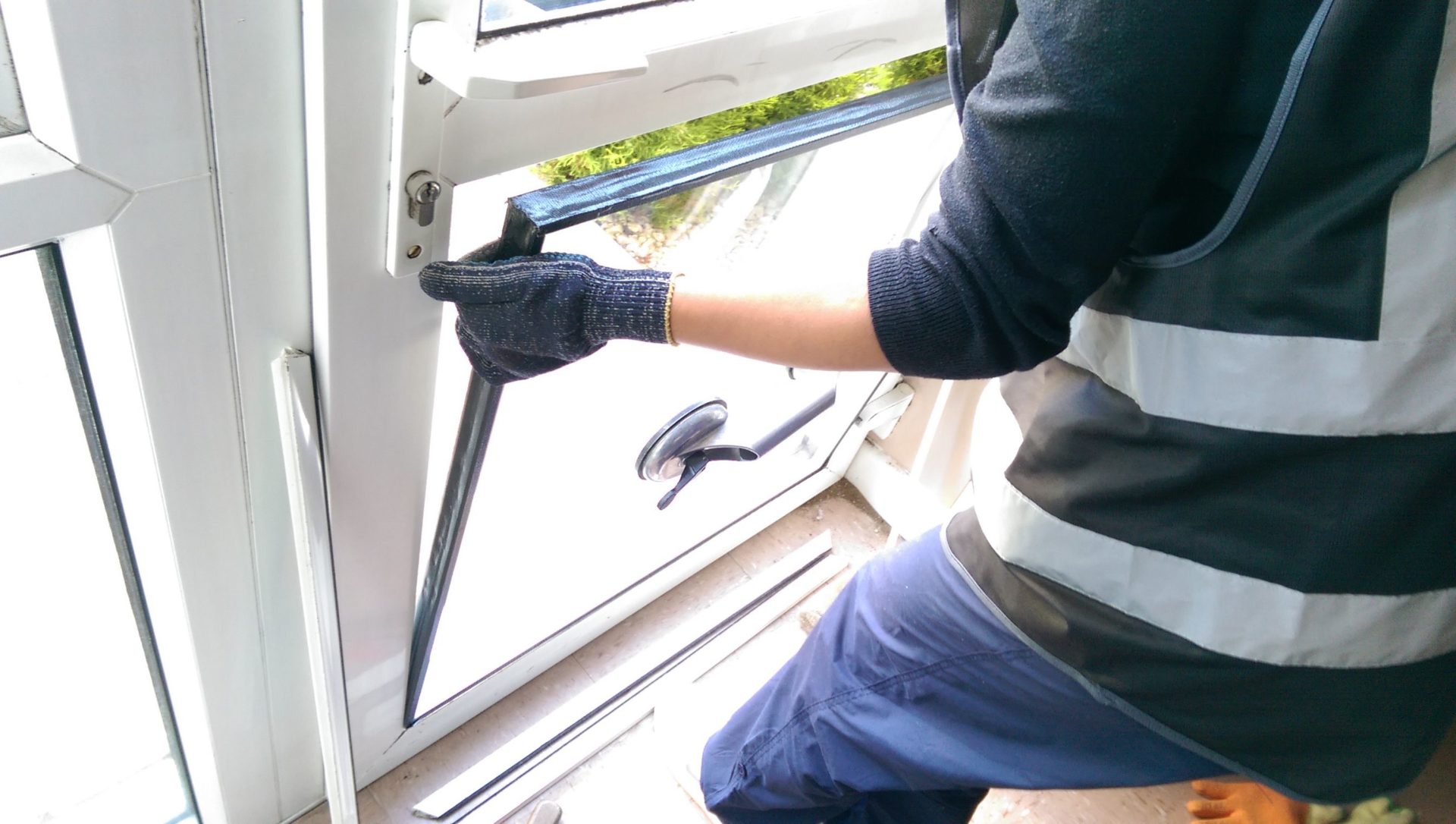
Preparation
Double glazing is a fantastic way to keep the cold winter air out and reduce the cost of energy as well as cut down on noise pollution. New windows can enhance the quality of life for homeowners living in areas with noise, or near busy roads. Double glazing can also boost the resale value of homes and boost their energy efficiency. When choosing a double glazing company, there are a few things to consider. It is crucial to select an established business with reasonable prices and a positive reputation.
A proper double-glazing process includes pre-installation preparation, correct installation methods, and checks after installation. These steps will allow tradespeople to deliver high-quality double glazing installations that are in line with industry standards and customer expectations.
The first step is to evaluate the location of installation. This involves inspecting the window openings that are currently in use, and assessing for water leakage or damage. The next step following the examination is to measure the window openings and then order new windows. This assures that the windows are of the right size and dimensions.
It is a good idea to clear the area around your window prior to when your contractors arrive so they can easily get access to the frames. This will save them time and will also save you the hassle of cleaning up after the installation. Additionally, it is beneficial to cover floors and furniture with dust sheets in order to reduce mess. This will enable your contractors to be more efficient and also prevent the destruction of your property.
The installation of a thermal barrier between the inner and outer panes is a crucial element of double-glazing. This reduces the loss of heat and improves energy efficiency. The thermal barrier can be done by using insulating foam or expanding polyurethane spray. Insulation boards are also an alternative. Both options can be put in on top of the frame that is already in place or on a new build.
Installing double glazing is a DIY project for homeowners who have some basic building and window replacement knowledge. It is essential to use top-quality tools and materials. Additionally, it is important to know how to correctly measure and level the window frame and sill. It is also recommended to consult an expert in double-glazing prior to installing your new windows.
Installation
Double-glazing keeps the cold out, decrease heating costs and prevent condensation. It can also block out noise from noisy neighbors or busy roads. It's important to work with a reputable installation team to ensure that the task is completed correctly.
Local tradespeople with a good reputation, like electricians, plumbers or builders, should be able to recommend installers who they have worked with. You can also ask friends and family members for suggestions. Also, look for FENSA certification. FENSA is a shorthand for Fenestration Self Assessment Scheme, and is the trade association which regulates double glazing installations.
Repair My Windows And Doors is to remove the frames and windows and preparing the area for new ones. Installers will clean the frames' surfaces, brickwork and repair any damage. They will then apply a sealant along the frame's perimeter. They'll also fill in any gaps around the sill and anywhere else where air can leak into the house.
The double glazing units are then fitted to the frames. The units for glazing comprise two panes of glass separated by a spacer bar, and are filled with air or gas. The spacer bar functions as an insulator which slows down the transfer of heat between different temperatures in your home. This increases energy efficiency.
Installers will then put the sealed units into the window frames and verify that they're aligned properly. Installers can also place insulation material, like expanding foam, in any voids or around the edges of windows to make a secure seal. The installers will then install an appropriate trim color-coded to complete the windows.
After the installation, you'll receive an email from the company who completed the work. This is to ensure that you're happy with the quality of the windows as well as the installation. You will also receive a copy of your FENSA certification and specifics of the warranty on the product.
Checking
It is important to inspect your double glazing after installation. There are simple tests you can conduct to see whether your windows have been properly installed. The first thing to look out for is cracks in the frames or glass panes. This is a sign the seals have become damaged and if left unattended can let outside air into your home, causing cooling systems to work harder. If you notice any chips or cracks in your double glazed windows or conservatory doors it is crucial to fix them as soon as possible.
Fogging is the next thing to look for. Foggy windows could be an indication that the IGU system isn't functioning properly. The reason for this is that condensation on the inside of the window glass is caused by temperature differences between the air and the glass. The IGU seals between the two glass panes to prevent loss of heat. However, if the seals fail water may condense and cause fogging.
Another simple test you can do is to rub a piece of ice on the inside of the windows. If it easily wipes off then the IGU and double glazing are still in good condition.
Contact your installer if your double glazing isn't working correctly. Faulty windows will not only let cold air in your home, but they also let heat escape, which can increase your energy costs. They can also reduce the value of your house.
It is also possible to lubricate your doors and windows to determine whether it makes them easier to open or close. This should be done under the supervision of a professional in order to avoid voiding any warranty.
A surveyor is the ideal person to hire for double-glazing installation. They are experts in this field and can identify any issues that may not be obvious. They will also know which products are most suitable for your property and the most current building regulations. They can also advise you on any obstacles that could hinder installation, such as telephone cables or electrical wiring.
Maintenance
Modern double glazing is advertised as being maintenance-free however, just like any other item it can suffer from wear and wear as time passes. Problems such as a door or window that isn't closing or opening correctly can be frustrating, but the good news is that it's usually an easy fix.
The most common issues that arise with new double-glazed windows are caused by condensation and water ingress. These can be caused by poor installation, but they can also be due to general wear and tear. Seals are usually the cause, as they can wear out or break over time. Other issues include misalignment, an incline or drop on the frame or foggy windows.
A trickle vent is an easy way to prevent condensation on double-glazed windows. It is a series of small slots or holes in the frame that are filled with silicone, which creates an airtight seal to reduce the entry of moisture and improve insulation. These are usually found at the corners of uPVC frames as well as aluminium frames and composite frames.
Another way to reduce condensation is secondary glazing, which is the process of adding an movable second layer of plastic or glass to the inner frame of single-glazed windows. This isn't an airtight seal and doesn't prevent the formation of cold spots or condensation. However, it is far less expensive than replacing your entire window and can be an excellent option to improve your home insulation.
Before making measurements and ordering windows, your installers will clean and clear the area surrounding your windows. They will then mark, drill and screw-fix the frames to the wall and sill. To ensure a neat finish using edging trims, place them between the frame and the wall.
You may contemplate DIY double-glazing, however be aware that you'll need a building regulation approval to complete the work. This could invalidate warranty or affect the price of resales. It's not recommended if not a 'competent ' person and if you opt to go the DIY option, be sure to consult a professional for advice.